

Quartz countertops have become a popular choice for homeowners seeking a durable, beautiful, and low-maintenance surface for their kitchens or bathrooms. However, when shopping for quartz, you may notice significant price variations. What makes one quartz countertop expensive while another is more affordable? Let’s explore the key differences to help you make an informed decision.
1. Quartz Content and Quality
The quality of quartz itself is one of the primary factors influencing price. Premium quartz countertops contain a higher percentage of natural quartz (around 90-95%), making them denser and more durable. Cheaper options may include less quartz and more resin or fillers, which can affect the countertop’s strength and longevity.
2. Manufacturing Process
High-end quartz brands use advanced manufacturing techniques and strict quality control. These processes result in countertops with uniform patterns, vibrant colors, and a polished finish. In contrast, budget-friendly quartz may have visible inconsistencies, dull finishes, or uneven patterns, as they often undergo less rigorous production methods.
3. Design and Aesthetics
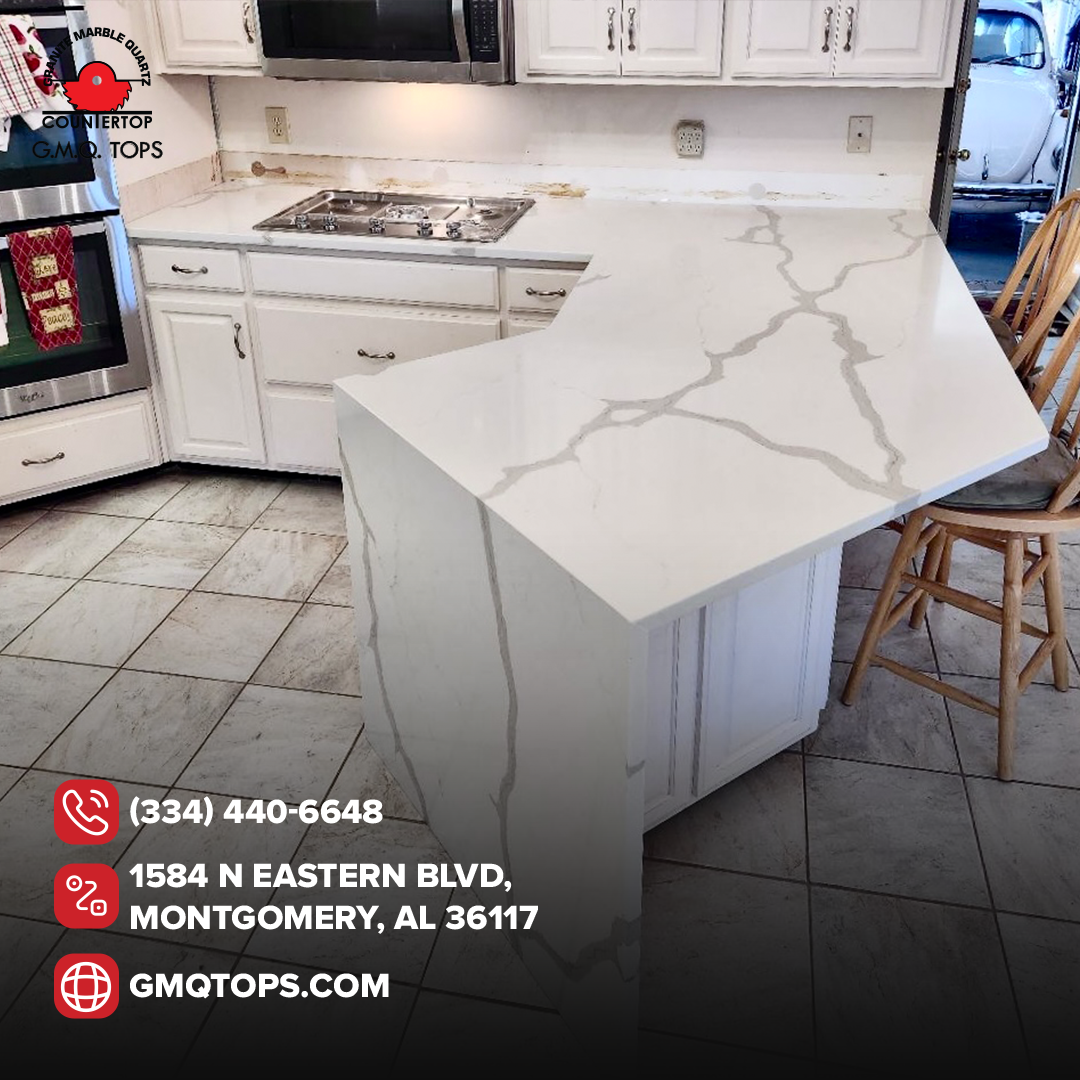
Luxury quartz countertops often feature sophisticated designs that mimic natural stone, such as marble or granite. These slabs are crafted with intricate veining and unique patterns, offering a high-end appearance. Cheaper quartz options may have simpler designs, limited color options, or repetitive patterns that lack the elegance of premium slabs.
4. Durability and Longevity
Expensive quartz countertops are more resistant to scratches, stains, and heat due to their superior materials and production quality. Lower-cost quartz may not hold up as well under heavy use, making it more prone to discoloration, cracking, or other damage over time.
5. Brand Reputation
Well-known quartz brands, such as Caesarstone, Silestone, or Cambria, have established reputations for high quality and innovation. Their products are often more expensive due to the brand name and the assurance of long-term performance. Lesser-known or generic brands may offer cheaper alternatives but without the same level of reliability or customer support.
6. Warranty
Premium quartz countertops usually come with comprehensive warranties, reflecting the manufacturer’s confidence in their product. Cheaper options may offer limited or no warranty, leaving you with fewer protections in case of defects or issues.
7. Fabrication and Installation
The cost of fabrication and installation can also vary depending on the complexity of your project and the expertise of the installer. While high-quality quartz requires precision and skilled craftsmanship, budget options may involve less attention to detail, potentially affecting the final result.
8. Environmental Impact
Expensive quartz brands often prioritize sustainable practices and eco-friendly production, which can drive up costs. Budget quartz may come from manufacturers with less focus on sustainability, contributing to a lower price.
Conclusion
When deciding between expensive and cheap quartz countertops, it’s essential to consider your priorities. If you’re looking for a long-lasting, visually stunning surface with minimal maintenance, investing in premium quartz is often worth it. However, if you’re on a tight budget and willing to compromise on certain features, affordable quartz can still be a practical choice.
At GMQ Tops, we offer a wide range of quartz countertops to suit every style and budget. Visit our showroom to explore your options and let us help you find the perfect countertop for your home!